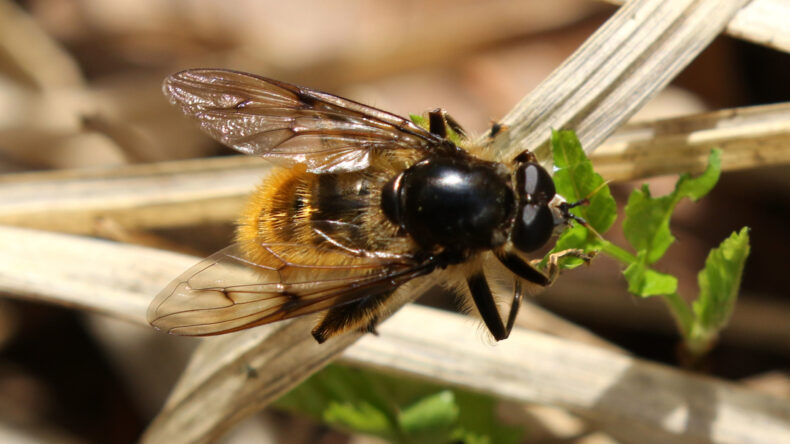
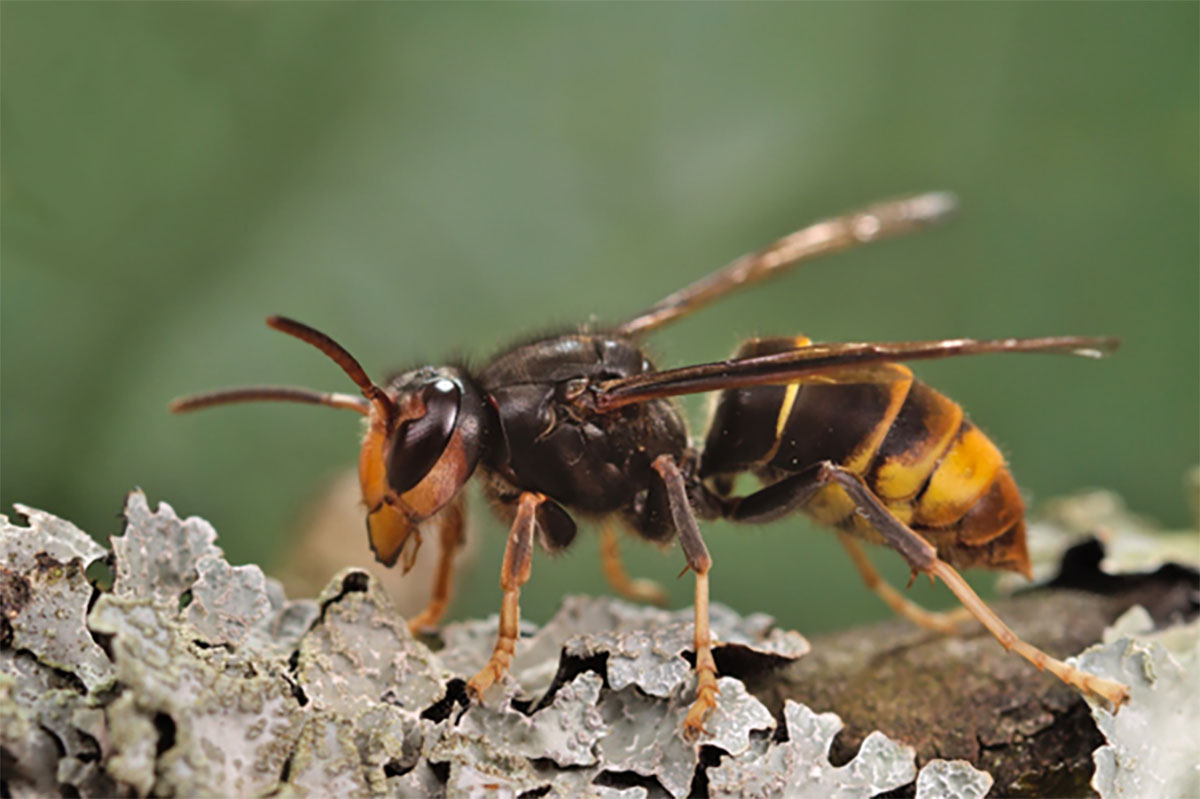
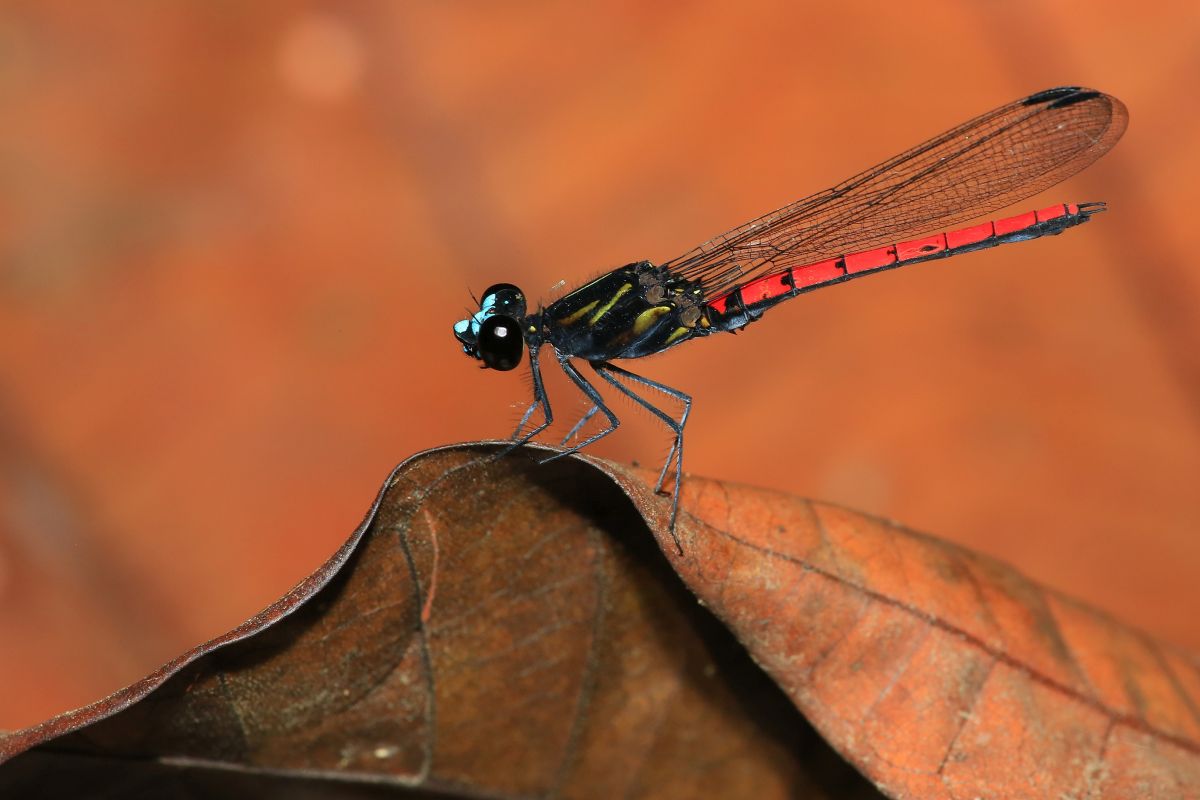
Europe’s ancient trees are home to a little-known but vital cohort of pollinators. Veteran tree hoverflies that depend on old, decaying wood to survive are vital to maintaining the health and resilience of forest ecosystems throughout Europe. However, many of these species are under threat of extinction.
Related content
Primary tools and resources
International Treaty on Plant Genetic Resources for Food and Agriculture (ITPGRFA)
The Treaty was developed by FAO. The objectives of the Treaty are the conservation and sustainable use of all plant genetic resources for food security and agriculture, and the fair and equitable sharing of the benefits arising out of their use. The Treaty puts 64 of the most important crops that together account for 80% of the food derived from plants into an easily accessible global pool of genetic resources that is freely available to potential users in the Treaty’s ratifying nations for some uses. The Treaty ensures that access to genetic resources already protected by international property rights is consistent with international and national laws.
How to use
The Treaty and further information can be accessed at: https://www.fao.org/plant-treaty/en/
The capacity development strategy of the international treaty 2023–2030 are available at: https://www.fao.org/3/nk298en/nk298en.pdf
Database of Global Data Sources for Biodiversity Conservation Monitoring
The database has been developed by the IUCN SSC Species Monitoring Specialist Group with support from Re:wild. It includes 178 global data sources on: monitoring biodiversity state, pressures and threats; monitoring conservation responses to biodiversity loss, and those with multiple uses for biodiversity monitoring. A fact sheet answering frequently asked questions about the database is also available. The Species Monitoring Specialist Group is a voluntary network of experts from around the world and includes specialists on different species and taxa, on different monitoring techniques and issues, and on different types of data use. The group aims to enhance conservation by improving the flow of species data from collection point to decision-maker.
How to use
Version 3.0 of the database and the fact sheet can be downloaded at: https://www.speciesmonitoring.org/data-sources.html
A selection of Manuals, Guidelines and Methods Reviews is available at:
https://www.speciesmonitoring.org/guidelines-and-tools.html
To contact the Species monitoring Specialist Group: SpeciesMonitoring@gmail.com
The Wiki CITES Identification Manual
This new tool has been developed by the CITES Secretariat and the United Nations Environment Programme-World Conservation Monitoring Centre (UNEP-WCMC) to support CITES Management and Scientific Authorities, Customs officials, and all others involved in implementing and enforcing CITES. It contains six volumes: Mammals, Birds, Reptiles-Amphibians-Fish-Invertebrates, Plants, and Parts and Derivatives (2 volumes).
In addition, over 4000 identification resources are available in different formats.
The Mohamed bin Zayed Species Conservation Fund
The Mohamed bin Zayed Species Conservation Fund The Fund was established in 2008 with an initial endowment of €25,000,000 to: Provide targeted grants to individual species conservation initiatives; Recognize leaders in the field of species conservation; and Elevate the importance of species in the broader conservation debate. The Fund provides small grants to boots-on-the-ground, in-the-field species conservation projects for the world’s most threatened species.
The Fund is open to applications for funding support from all parts of the world for direct conservation projects focused on threatened plant, animal, and fungus species. Grants are awarded according to criteria set by the Species Fund, and are for a maximum of $25,000.
IPBES ILK Approach
The Intergovernmental Science-Policy Platform on Biodiversity and Ecosystem Services (IPBES) has developed the IPBES ILK Approach to guide work on indigenous and local knowledge. The IPBES Global Assessment (GA) was the first global scale assessment to engage systematically with ILK and showed that existing knowledge is fragmented and lacks integration between social and natural sciences and that integrating different world views in requires increased dialogue and agreement. IPBES has established an ILK Task Force and Technical Support Unit.
FAO Code of Conduct for Responsible Fisheries (CCRF)
The purpose of 1995 FAO Code of Conduct is to set international standards of behaviour for responsible practices to ensure the effective conservation, management and development of aquatic resources, the ecosystem, and biodiversity. These standards may be implemented at the national, subregional, and regional levels.
IUCN SSC guidelines on human-wildlife conflict and coexistence : first edition
As human-wildlife conflicts become more frequent, serious and widespread worldwide, they are notoriously challenging to resolve, and many efforts to address these conflicts struggle to make progress. These Guidelines provide an essential guide to understanding and resolving human-wildlife conflict. The Guidelines aim to provide foundations and principles for good practice, with clear, practical guidance on how best to tackle conflicts and enable coexistence with wildlife. They have been developed for use by conservation practitioners, community leaders, decision-makers, researchers, government officers and others. Focusing on approaches and tools for analysis and decision-making, they are not limited to any particular species or region of the world.
The IUCN Red List of Ecosystems (RLE)
This introductory guide draws on a number of key IUCN Red List of Ecosystems (RLE) papers, case studies and background documents to provide a practical introduction to the RLE. It targets those who wish to gain a deeper understanding of the RLE as a risk assessment tool and those who wish to learn more about its possible applications in implementing conservation action. This document draws heavily on Version 1 of the Guidelines for the application of the IUCN Red List of Ecosystems Criteria and Categories and provides an overview of the scientific foundations supporting the RLE categories and criteria.
International policy framework for blue carbon ecosystems
Coastal blue carbon ecosystems, including mangroves, seagrasses and tidal marshes, are some of the most carbon-rich ecosystems on Earth, and are vital to mitigating the impacts of climate change. They are also critical for coastal biodiversity, food security, livelihoods and human well-being, in addition to climate adaptation – protecting millions of people globally from the impacts of storms, coastal flooding and erosion. However, these ecosystems are threatened – half of global mangrove forests have already been lost – and once these ecosystems are degraded or destroyed, their carbon stores are released as carbon dioxide, contributing to climate change. This policy framework, developed by Conservation International and IUCN, provides an overview of the intersections and opportunities for blue carbon ecosystem conservation and restoration in the relevant international policy processes.
Agriculture and conservation
In 2021, IUCN launched the IUCN Flagship Report Series, to help demonstrate the importance of conserving nature for human well-being and all life on Earth. This report, the second in the series, focuses on agriculture and nature. The interactions, synergies, and tradeoffs between the two sit at the heart of the 2030 Agenda for Sustainable Development, which calls for ending hunger and ensuring food security while also mandating the protection and restoration of nature. Whether the two can be achieved simultaneously, and if so how, are crucial questions for humanity and our planet. IUCN therefore explores the positive and negative relationships between agriculture and nature conservation and mobilises new modelling approaches to examine both imperatives within a range of realistic policies.
IUCN guidelines for gathering of fishers’ knowledge for policy development and applied use
Small-scale fisheries provide food security, livelihoods and income to millions of people but their management still presents a challenge to managers and other stakeholders due to problems in gathering suitable information and its incorporation in fisheries policy. Fishers are a key source of knowledge for assessment of both extractive capacity and value in small-scale fisheries, in addition to providing a broad array of cultural knowledge. The increasing recognition of the value of incorporating traditional fishing knowledge in freshwater, riverine, lacustrine and coastal and marine fisheries management is now evident in international conventions and published literature. The purpose of these guidelines is to make it easier for users to recognise and include fishers’ knowledge as an important data stream in resource management. The report includes details on the breadth of knowledge that can be gathered, how it can be gathered, and how this information can be applied to support sustainable fisheries policy and broader applications in society. It contains case studies from Africa, Asia, the Caribbean, Central and South America, and the Pacific.
The Urban Nature Indexes
The IUCN Urban Alliance, a broad coalition of IUCN constituents concerned with the urban dimensions of nature conservation, has unveiled a new knowledge product for measuring the ecological performance of cities: the IUCN Urban Nature Indexes (UNI). Comprising six themes with five indicator topics nested within each theme, the UNI is intended to help policymakers, stakeholders and local communities understand their impacts on nature, set science-based targets for improvement, and monitor progress using science-based measures. By enhancing environmental transparency and accountability, and by focusing on improvement rather than fixed targets, the UNI aims to catalyse local action for nature in all cities.
IUCN Principle on Gender Equality and Women Empowerment
This Gender Equality and Women’s Empowerment Policy reaffirms and further strengthens IUCN’s commitment to realising gender equality and women’s rights and empowerment and puts into place requirements for embedding a gender-responsive approach into its Programme and project portfolio. Another publication Gender equality for greener and bluer futures: why women’s leadership matters for realising environmental goals includes new IUCN data on the number of women leading environmental ministries, compared with previous data. It also highlights data on why gender equality and women’s empowerment are essential for global goals on achieving an inclusive and sustainable future.
Guidelines for the application of IUCN Red List of Ecosystems categories and criteria
The IUCN Red List of Ecosystems is a global framework for monitoring the status of ecosystems. It is part of the growing toolbox for assessing risks to biodiversity and aims to support conservation, resource use, and management decisions by identifying ecosystems most at risk of biodiversity loss. The basis of the IUCN Red List of Ecosystems is the IUCN Red List of Ecosystems Categories and Criteria, a set of eight categories and five criteria that provide a consistent method for assessing the risk of ecosystem collapse. These Guidelines assist correct implementation of the IUCN Red List of Ecosystems Categories and Criteria by providing information on the development of the protocol and a detailed overview of the scientific foundations supporting the categories and criteria.
IUCN Guidelines on the Use of Ex Situ Management for Species Conservation
As habitats and ecosystems become increasingly altered and populations evermore impacted by human activities, a growing number of species will require some form of management of both individuals and populations to ensure their survival. Ex situ management is one possible option that can contribute to the conservation of threatened species. The aim of these guidelines is to provide practical guidance on evaluating the suitability and requirements of an ex situ component for achieving species conservation objectives.
The IUCN Urban Alliance
The Urban Alliance is a diverse global coalition of international partners committed to bringing cities into balance with nature. Several resources are available including an IUCN briefing paper, the Urban Nature Indexes: methodological framework and key indicators, and the IUCN Urban Toolbox. This is a catalogue of IUCN knowledge products on urban biodiversity that provides guidance to subnational governments, municipalities, and urban professionals on nature-positive development in urban environments. The tools featured support assessment, planning, design, implementation, and monitoring.
How to use
- Information on The Urban Alliance can be accessed at: https://iucnurbanalliance.org
- The Briefing paper on Cities and Nature can be downloaded at: https://www.iucn.org/resources/issues-brief/cities-and-nature
- The Urban Nature Indexes: methodological framework and key indicators can be downloaded at: https://portals.iucn.org/library/node/50782
- The IUCN Urban Toolbox is available in English, French and Spanish at: https://iucnurbanalliance.org/iucn-urban-toolbox-released-in-english-french-and-spanish/
Mainstreaming Biodiversity for Sustainable Development
The Organisation for Economic Co-operation and Development (OECD) produced Mainstreaming Biodiversity for Sustainable Development for biodiversity policymakers and practitioners in developed and developing countries, as well as development co-operation agencies and other national ministries. The report highlights examples of good practice and remaining challenges in four key areas: mainstreaming biodiversity at national level; mainstreaming biodiversity in the agriculture, forestry, and fisheries sectors; development co-operation and biodiversity mainstreaming; and monitoring and evaluating biodiversity mainstreaming. Examples and insights are included from 16 predominantly megadiverse countries which span the full range from high-income to lower-income economies. The national level entry point for biodiversity mainstreaming is important and elements to encourage mainstreaming and its implementation in practice across relevant national plans and strategies.
How to use
The policy highlights report can be downloaded at: https://www.oecd.org/environment/resources/Policy-Highlights-Mainstreaming-Biodiversity-for-Sustainable-Development.pdf
Further information on the OECD is available at: https://www.oecd.org/
IUCN Green Status of Species
The decline of many species towards extinction has largely focused conservation efforts on ensuring that species remain extant. However, conservationists have long recognised the need to complement this by aiming to recover depleted populations throughout a species’ range and to restore species to ecosystems from which they have been extirpated. The main objectives of the IUCN Green Status of Species are: to provide a standardised framework for measuring species recovery; to recognise conservation achievements; to highlight species whose current conservation status is dependent on continued conservation actions; to forecast the expected conservation impact of planned conservation action; and to elevate levels of ambition for long-term species recovery. These objectives together encourage conservation towards species recovery, throughout a species’ range.
The Sustainable Food Systems Programme
The One Planet Network’s Sustainable Food System (SFS) Programme contributes to a transformation towards sustainable food systems that was called for at the UN Food Systems Summit in 2021. The SFS Programme is a partnership focused on urgent transformation towards sustainable food systems as a critical strategy to achieve the Sustainable Development Goals.
The SFS Programme has four objectives and five cross-cutting themes to support its goal of accelerating the shift to sustainable food systems. The Programme has developed a range of tools to providing guidance for the transformation to sustainable food systems.
IUCN WCPA Diagnostic tool for transboundary conservation planners
This tool (i) supports the decision-making process when establishing and implementing transboundary conservation initiatives; (ii) minimizes the risks of the process; (iii) enables planners to assess the feasibility of design and implementation of transboundary conservation measures. Version 2.0 was released by IUCN’s World Commission on Protected Areas (WCPA) Transboundary Conservation Specialist Group in June 2020.
How to use
For further details and to access the tool:
Encyclopedia of Life
The Encyclopedia of Life (EoL) aims to provide global access to knowledge about life on Earth by collecting and sharing knowledge in an open, freely accessible digital resource. EoL identifies sources of biodiversity knowledge that are legally and practically shareable and enriches their structure with modern data tools to integrate them with other data.
EoL works with open access biodiversity knowledge providers around the world, including museums and libraries, universities and research centers, individual scientists, graduate students and citizen science communities, and a suite of international open data hubs. EOL receive information from many sources, and format and annotate it so that search tools can find similar content from different sources.
Whitley Fund for Nature
Whitley Fund for Nature (WFN) is a fundraising and grant-giving nature conservation charity.
Three types of WFN grant enable grassroots conservationists to scale up their work and make a global impact. Whitley Awards provide £40,000 in project funding over one year as well as profile and training. Follow-on grants enable previous winners to expand effective projects, respond to changing needs, and collaborate with other conservationists, with grants worth up to £100,000 over two years. In 2020 WFN introduced a new strand of Continuation Funding for nature-based solutions that will help secure a sustainable future for wildlife, ecosystems and people. The Whitley Gold Award is worth £100,000.
The Cartagena Protocol on Biosafety
The Cartagena Protocol on Biosafety is a supplementary international agreement to the Convention on Biological Diversity which aims to ensure the safe handling, transport, and use of living modified organisms (LMOs) resulting from modern biotechnology that may have adverse effects on biological diversity, taking also into account risks to human health. It was adopted on 29 January 2000 and entered into force on 11 September 2003.
The Protocol establishes an advance informed agreement (AIA) procedure for ensuring that countries are provided with the information necessary to make informed decisions before agreeing to the import of such organisms into their territory. The Protocol also establishes a Biosafety Clearing-House to facilitate the exchange of information on living modified organisms and to assist countries in the implementation of the Protocol. The Biosafety Clearing-House is an online platform for exchanging information on living modified organisms and is a key tool for facilitating the implementation of the Cartagena Protocol. It includes national information published by countries (primarily Parties to the Protocol) as well as virtual library of biosafety resources, information on different living modified organisms as well as laboratories for their detection.
How to use
Further information on the Cartagena Protocol is available at: https://bch.cbd.int/protocol
The Biosafety Clearing House can be accessed at: https://bch.cbd.int/en/
The Rufford Foundation
The Rufford Foundation is a UK registered charity which funds nature conservation projects across the developing world.
The flagship Rufford Small Grants Programme gives funding to individuals working in developing countries who are starting on the ladder of conservation research and establishing pilot programmes. In some cases, if their work progresses well, these individuals may apply for one of the further grants from the Foundation. Since the Rufford Small Grants Programme was set up over 20 years ago, it has given in excess of £30 million through more than 5100 grants to projects in over 150 countries. The programme identifies scientists at the very early stages of their careers and provides targeted support to enable them to achieve their goal of making a difference in terms of conservation. Many recipients have gone on to be key influencers at a national and sometimes global level