

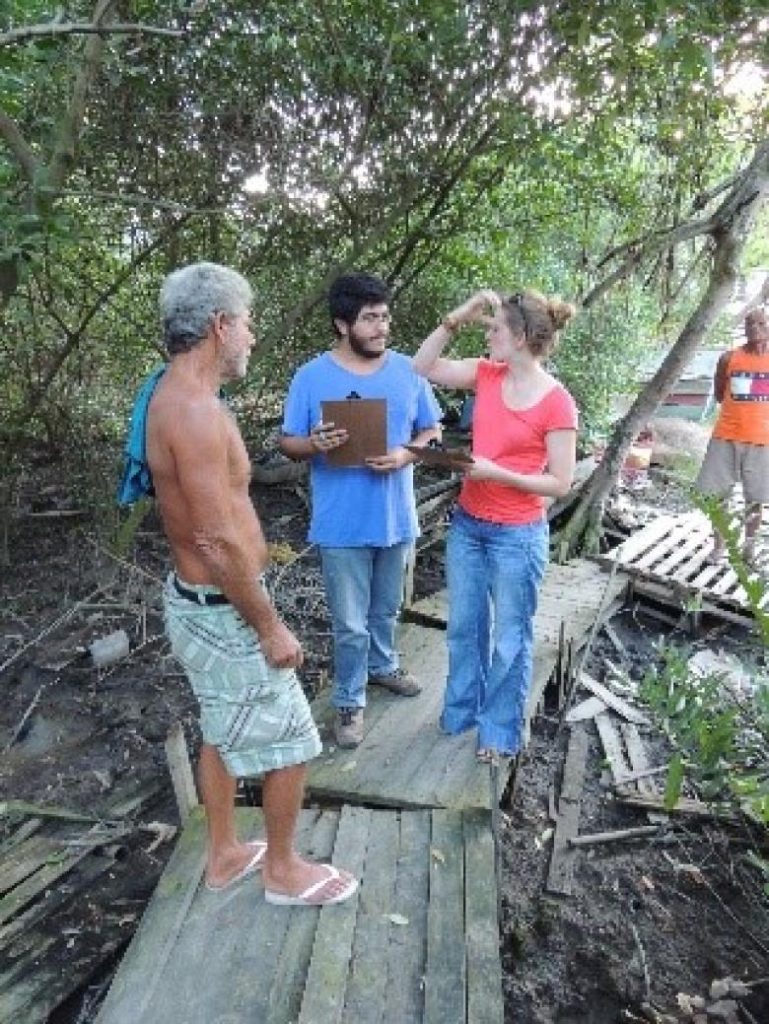
The Iguaçu region, located at the tri-border area between Brazil, Argentina, and Paraguay, is home to one of the last viable populations of jaguars in the Atlantic Forest. Interaction with human activities, particularly agriculture and livestock farming, has led to conflicts, economic losses, and negative perceptions of the species, thereby increasing hunting pressure on it. To address this challenge, Iguaçu National Park, through the Onças do Iguaçu Project, has implemented an integrated strategy for the coexistence of big cats with local communities in the region. The approach combines responses to predation incidents, preventive measures, training, community engagement, and institutional coordination. A structured protocol guides these actions, including assessment, mitigation, and continuous monitoring. On a regional scale, the Tri-national Coexistence Network strengthens cooperation between Brazil, Argentina, and Paraguay. The solution helps reduce conflicts, increase tolerance, and promote the conservation of the jaguar in the landscape.