

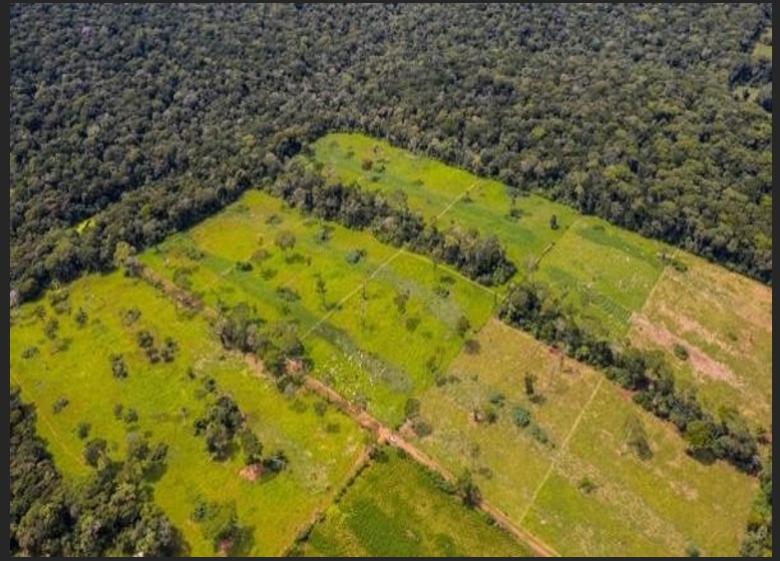
Regenerative Agriculture for the Conservation of the Chiquitano Dry Forest and the Reduction of Deforestation in Santa Cruz, Bolivia
In Bolivia, the expansion of agriculture and livestock farming on degraded soils is increasing pressure to clear the Chiquitano Dry Forest. The Chiquitanía Sostenible Model Forest promotes sustainable production through regenerative practices, restoring soils to support both production and conservation. Through demonstration plots, farmers are implementing cover crops, mixed cover systems, crop rotations, and improved pasture management to restore soil fertility, water infiltration, and organic matter, thereby gradually increasing productivity. In addition, functional biodiversity (pollinating bees, earthworms, and coprophagous beetles) is monitored. At the landscape scale, the initiative integrates agroforestry, regenerative livestock farming with water management and spring protection, restoration of degraded ecosystems, and fire prevention. Non-timber resources (wild fruits, honey, and Chiquitano almonds) are also promoted, thereby enhancing the value of the standing forest and reducing pressure for deforestation.