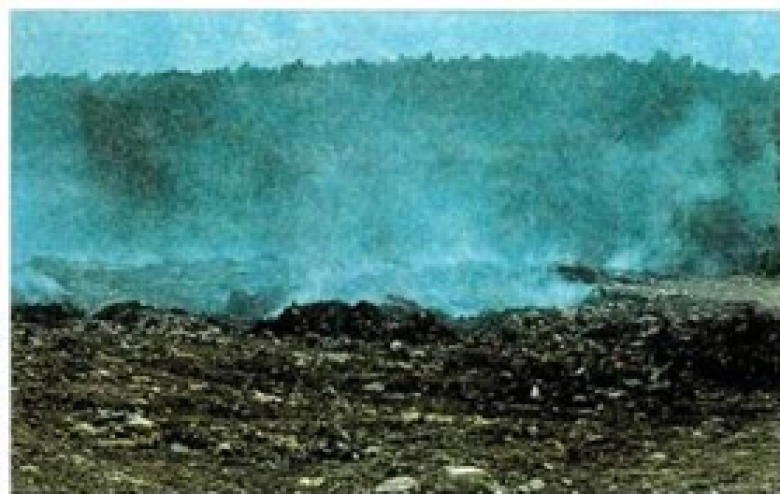

Since 1981, the municipality of Ipatinga, Minas Gerais, had been disposing of its solid waste in a 14-hectare open-air landfill. The area, totally degraded, had a chaotic and unhealthy appearance, with an abundance of fire outbreaks, flies, vultures and scavengers. In order to regularize the situation regarding the municipality’s solid waste, the implementation of selective collection in Ipatinga was planned and with it the participation of recyclers. Waste collection routes and sweeping routes have also been drawn up, and a new fleet of vehicles has been acquired. In addition, the municipality prepared a project for the recovery of the area degraded by the landfill and proposed the installation of a sanitary landfill in the adjacent area, and also initiated the recycling of organic waste.