

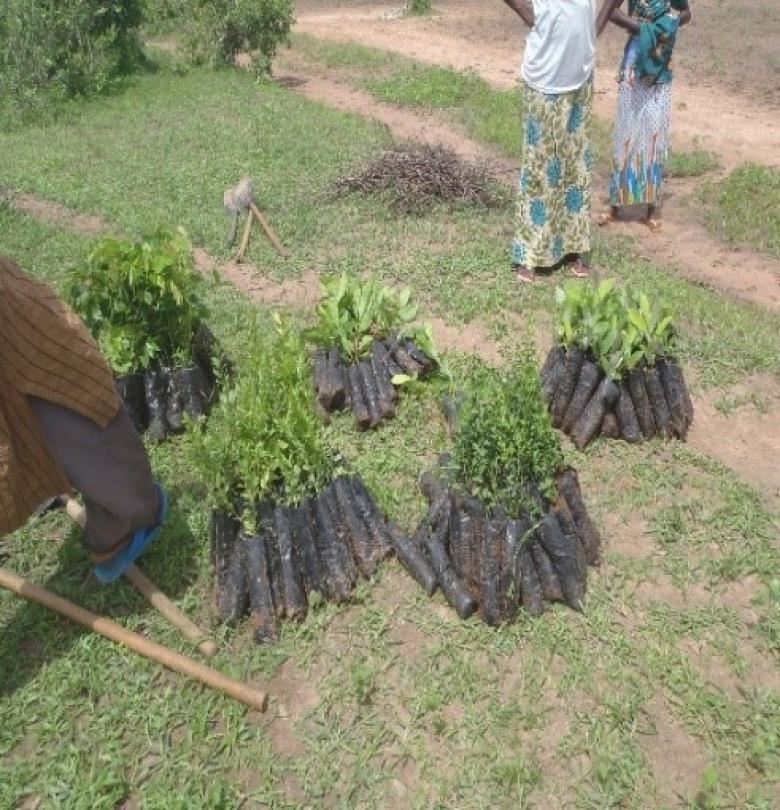
This solution was developed as part of the CODEVAL project, which aims to implement activities to control land degradation and promote land development.
Through an operational approach, it was a question of applying to the municipality for a community landowner’s right space, in particular the allocation of land with the aim of designing a set-aside for the rational and sustainable management of natural resources.
Before the advent of the CODEVAL Project in 2012, excessive and abusive exploitation of natural resources was observed, such as abusive cutting of herbaceous and woody species, bush fires, poor grazing management, deforestation, carbonization, hunting, drought, water and wind erosion, land clearing and overexploitation of firewood.