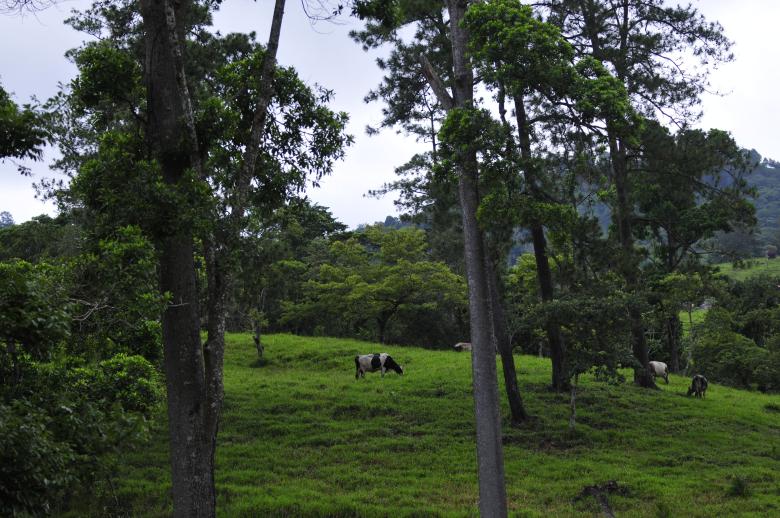

Cattle raising is one of the productive activities with the greatest potential in the Trifinio Region, where El Salvador, Guatemala and Honduras border. For many families, it is already one of their main sources of income. However, most livestock production units are located on hillside soils and are characterized by extensive grazing. These traditional or conventional production systems have a strong impact on the environment, are unprofitable and vulnerable to the effects of climate change. The solution promoted more diversified and intensive management in more than 100 pilot production units. Farmers integrated complementary practices to protect the environment, increase productivity, and improve their milk marketing capabilities.