

Gestion Durable du Bois-énergie au Cameroun : des stratégies régionales comme outils pour limiter les effets du changement climatique et soutenir le développement économique
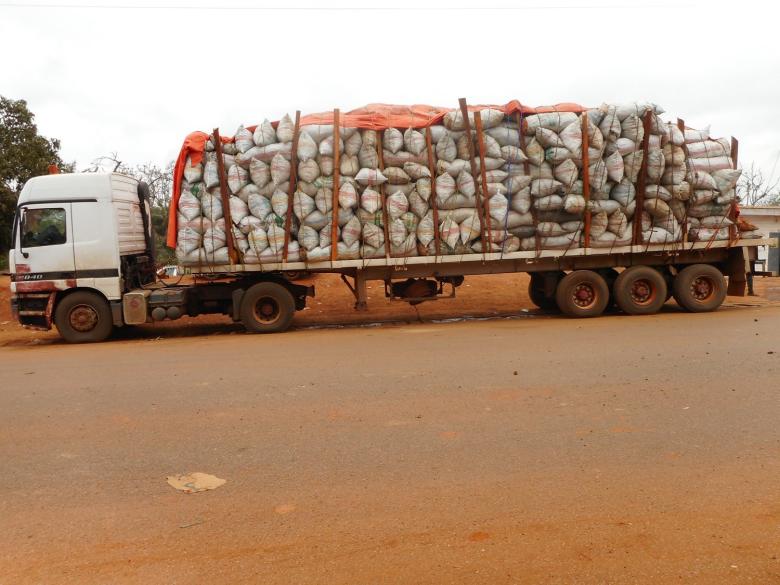
The national demand for wood energy is 6,560,000 tonnes per year, including 356,000 tonnes of charcoal. This demand for charcoal represents 2.5 million m3 and 12500 ha of natural forest destroyed per year.
This strong pressure on forest cover is at the root of deforestation and the degradation of forest ecosystems, which in turn exacerbates the vulnerability of populations to the effects of climate change.
Wood energy value chain development strategies are being implemented in the East and Far North Regions. The proposed actions are based on a holistic approach that takes all links into account. They address mitigation issues through waste-to-energy conversion, and energy savings and adaptation through reforestation.
The solution partially addresses AbE measures, which have been integrated into a broader strategy linked to sustainable wood-energy management.