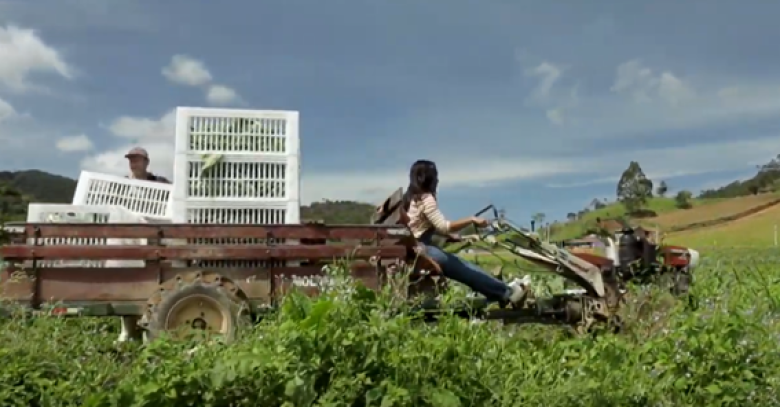

Sesc Rio, in the global context of the fight against hunger and food waste, created the Mesa no Campo Project with the objective of contributing to the sustainable development of family farming regions in the State of Rio de Janeiro. Specifically, it focused on the city of Nova Friburgo, one of the largest water producers in the state. The motivator for the project was the fact that Brazil still faces a structural problem: food waste along the production chain. According to estimates by the Food and Agriculture Organization of the United Nations (FAO), the country is among the ten nations that waste the most food in the world. About 35% of all Brazilian agricultural production ends up in the garbage. These data are part of the harvested food, and do not consider data prior to this stage of the production chain.